Editorial Note: This article is written based on topic research and editorial review.
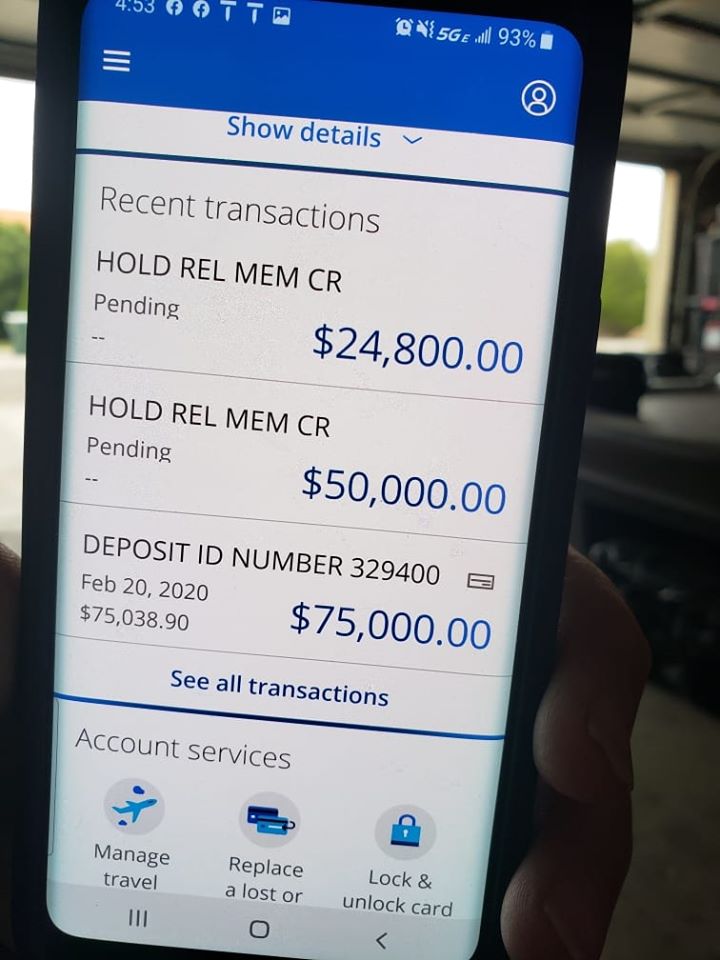
In an era increasingly defined by complex digital systems, terms that once belonged solely to specialist lexicons are now surfacing in broader discourse. One such cryptic string, "hold rel mem cr," has begun to draw attention, sparking questions about its precise meaning and its profound implications for the infrastructure underpinning our digital lives.
Editor's Note: Published on July 19, 2024. This article explores the facts and social context surrounding "hold rel mem cr".
Anatomy of a Digital Directive
To unravel "hold rel mem cr" is to dissect a microcosm of digital resource management. While precise context can vary across different systems and applications, a generalized interpretation points to a critical sequence or set of parameters governing how resources are allocated, utilized, and de-allocated. The individual components offer insights into this intricate dance:
- Hold: This typically refers to the act of reserving a resource, pausing a process, or locking a specific data segment. In complex systems, a 'hold' might prevent simultaneous access, ensuring data consistency, or it could defer an action until certain preconditions are met. Its a mechanism for control and synchronization.
- Rel (Release): As the natural counterpart to 'hold,' 'release' signifies the freeing of a previously held resource, allowing a paused process to resume, or unlocking a data segment for general access. Effective release mechanisms are vital to prevent resource starvation or system bottlenecks, ensuring fluidity and efficiency.
- Mem (Memory): This is arguably the most straightforward component, referring to the computers volatile or non-volatile memory. This could involve allocating or deallocating RAM, managing cache, or interacting with persistent storage. Memory management is fundamental to all computing, impacting speed, stability, and capacity.
- Cr (Credit): This term introduces a layer of abstraction. 'Credit' here likely refers not to financial credit in the common sense, but to a resource quota, an operational privilege, a integrity validation mark, or a token representing permission to perform an action or consume a resource. In some contexts, it could signify the 'crediting' of a system with resources or the validation of a transactions integrity. It ensures fair usage, prevents abuse, and maintains a balance of system operations.
Together, "hold rel mem cr" describes a coordinated process where system components interact to manage computational assets. A process might 'hold' a portion of 'memory' only after receiving sufficient 'credit' or permission, and subsequently 'release' it once its task is complete, 'crediting' the system with available resources once more. This continuous loop is fundamental to operational stability.