Editorial Note: This article is written based on topic research and editorial review.
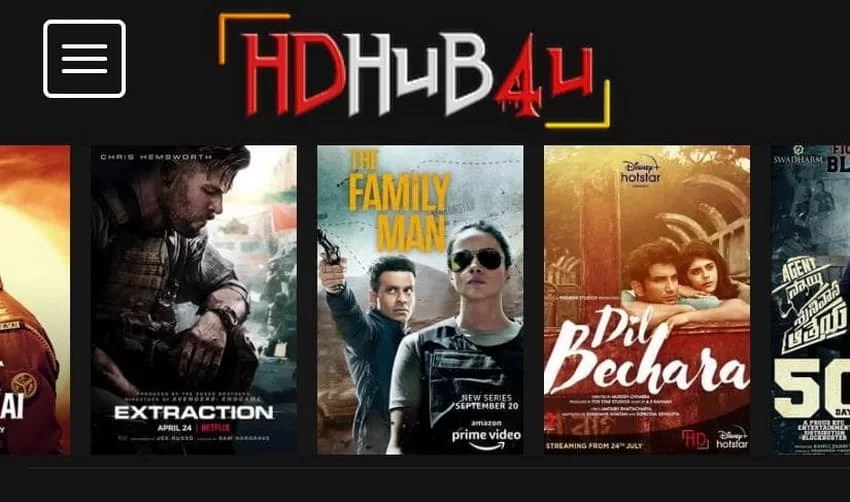
In an increasingly digitized world, platforms that offer vast repositories of media content have become a ubiquitous part of online culture. One such entity, known as hdhub4u, represents a significant, albeit often contentious, aspect of this digital landscape. Its presence prompts a deeper inquiry into the dynamics of content distribution, consumer demand, and the intricate web of intellectual property in the internet age.
Editor's Note: Published on July 23, 2024. This article explores the facts and social context surrounding "hdhub4u".
Tracing the Digital Footprint and User Engagement
The popularity of hdhub4u can be attributed to several factors, chief among them being its extensive library and the convenience it offers. Users are often drawn by the promise of immediate access to newly released movies or television episodes that might otherwise require subscriptions to multiple services or significant purchase costs. This allure is particularly strong in regions where official content distribution is either limited, delayed, or economically out of reach for many.
Engagement on such platforms, however, often comes with its own set of technical and ethical considerations. Users frequently encounter various advertisements, some of which may be intrusive or redirect to unrelated sites. Furthermore, the source and integrity of the content itself can vary, with quality and security not always guaranteed. Despite these potential drawbacks, the fundamental draw of free, comprehensive access continues to fuel user interaction and maintain the platform's relevance in the digital commons.
A key insight into the persistence of platforms like hdhub4u is the direct correlation between the fragmentation of official streaming services and the demand for consolidated, free alternatives. As consumers face an increasing number of subscriptions for different content libraries, the appeal of a single, cost-free gateway becomes significantly amplified, highlighting a critical market gap.