Editorial Note: This article is written based on topic research and editorial review.
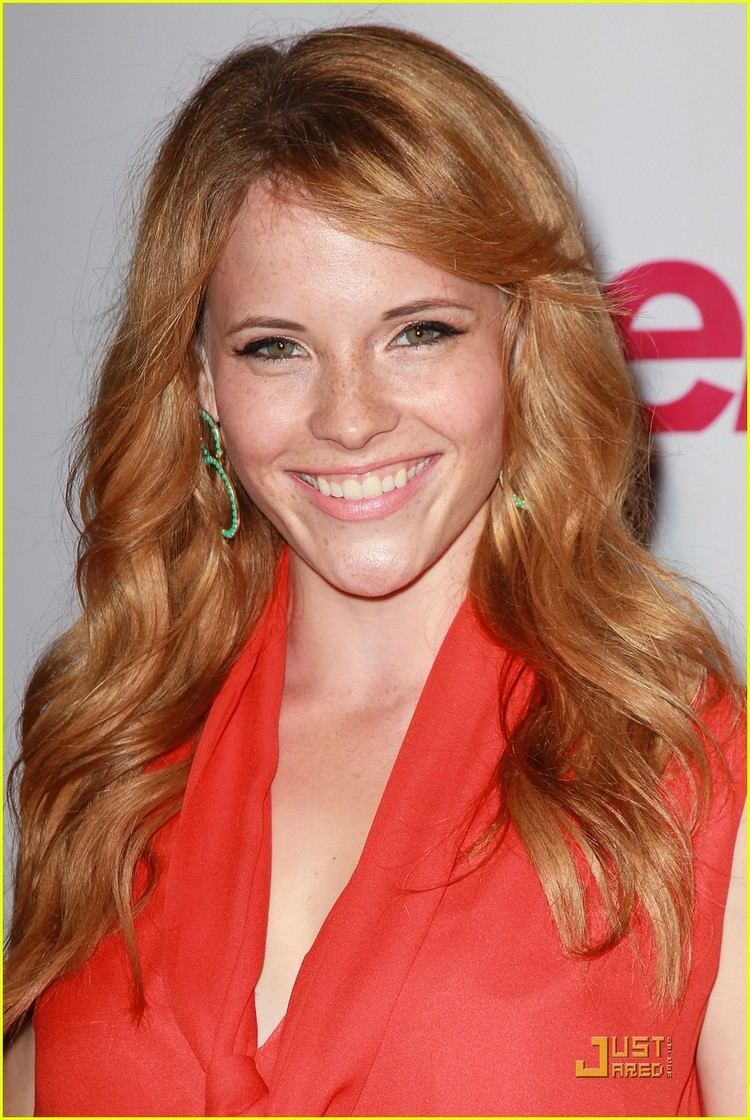
This individual is an American actress, widely recognized for her contributions to television. She gained prominent public recognition for her leading role as Daphne Vasquez in the critically acclaimed ABC Family (now Freeform) series "Switched at Birth." In this role, the performer skillfully portrayed a deaf teenager, a character whose experiences provided a powerful narrative, resonating deeply due to the actress's own diagnosis of Mnire's disease, which causes progressive hearing loss.
The impact of this actress's work on screen was significant, particularly in advancing authentic representation within mainstream media. Her portrayal offered an invaluable window into Deaf culture and the use of American Sign Language (ASL) for a broad audience, fostering greater awareness and understanding of the deaf and hard-of-hearing community. This visibility served to challenge stereotypes and significantly contributed to ongoing discussions about diversity, accessibility, and inclusion in the entertainment industry, marking a notable moment for disability representation in popular culture.
Further examination of the artist's career trajectory and public influence could encompass a detailed look into her various acting projects beyond her most iconic role, her ongoing advocacy efforts concerning hearing loss awareness, and the evolution of her public platform. Exploring these facets provides deeper insight into her lasting contributions to both the arts and societal perceptions of disability.
1. Prominent American actress
The designation of "Prominent American actress" for this individual is not merely a descriptive title but a recognition of her significant contributions to the performing arts and her influential role in shaping public discourse around representation. Her career trajectory demonstrates a powerful intersection of professional skill and a commitment to authenticity, elevating her status beyond typical celebrity to that of an impactful cultural figure. This prominence is built upon a foundation of key achievements and the unique aspects of her professional engagement.
- Defining Breakthrough Role
The individual's starring performance as Daphne Vasquez in the series "Switched at Birth" served as her definitive breakthrough, catapulting her into national and international recognition. This role was pivotal, not only for its critical acclaim but also for its extensive reach, introducing her talents to a vast audience and establishing her as a recognizable figure within the television landscape. The series' premise, focusing on a deaf teenager navigating a hearing world, provided a robust platform for demonstrating profound dramatic capability and a deep understanding of the character's lived experience.
- Authentic Portrayal and Advocacy
A critical component of her prominence stems from her authentic portrayal of a deaf character, informed by her personal experience with Mnire's disease. This connection brought an unparalleled layer of realism and empathy to the role, transforming it from a mere acting job into a powerful act of advocacy. Her ability to skillfully use American Sign Language (ASL) on screen, combined with her public discussions of her own hearing journey, solidified her position as a voice for the deaf and hard-of-hearing community, resonating far beyond the entertainment sphere.
- Influence on Industry Representation
The work of this actress has significantly influenced discussions regarding disability representation in media. By successfully anchoring a popular series with a deaf protagonist portrayed authentically, she demonstrated the viability and importance of inclusive casting. This contribution has challenged traditional casting norms, encouraging a shift towards more diverse and accurate portrayals of individuals with disabilities, thereby setting a new standard for thoughtful and responsible storytelling in a prominent capacity.
- Artistic Skill and Versatility
Beyond the social impact, her prominence is firmly rooted in her demonstrated acting prowess. Her performances consistently showcase a range of emotional depth and character nuance, proving her capabilities as a versatile performer. Whether navigating complex family dynamics or portraying personal struggles, her commitment to the craft is evident, contributing to her esteemed standing among her peers and critics alike as a skilled American actress capable of delivering compelling and memorable performances across various contexts.
These facets collectively underscore the individual's standing as a truly prominent American actress. Her career is characterized by a unique blend of compelling performance, groundbreaking representation, and a commitment to authenticity, all of which have solidified her significant impact on both the entertainment industry and broader societal perceptions of disability. Her work continues to serve as an important benchmark for inclusive storytelling and responsible celebrity engagement.
2. "Switched at Birth" lead
The pivotal role as the "Switched at Birth" lead character, Daphne Vasquez, represents a defining nexus in the career of the actress under discussion. This connection is fundamental, serving as both the primary catalyst for her widespread public recognition and a foundational platform for her subsequent contributions to advocacy and media representation. The casting in this role was not merely a career opportunity but a confluence of personal experience and professional demand, resulting in an exceptionally authentic portrayal that deeply resonated with audiences and critics alike. The series itself explored the intricate dynamics of identity, family, and disability, with the central character's deafness being an integral, non-negotiable element of the narrative. Therefore, the performer's lived experience with Mnire's disease provided an invaluable, almost indispensable, dimension to the character's development and on-screen execution. This real-life connection imbued the performance with an emotional depth and credibility that would have been difficult to achieve through conventional acting methods alone, making the role an inseparable component of the individual's public and professional identity.
This symbiotic relationship between the "Switched at Birth" lead role and the actress's personal background yielded significant practical implications. Her proficiency in American Sign Language (ASL), honed through both formal learning and personal necessity, allowed for a seamless and nuanced depiction of the communication challenges and cultural richness inherent to the Deaf community. For instance, scenes depicting complex emotional exchanges entirely in ASL were rendered with compelling realism, directly benefiting from her genuine understanding and fluency. This level of authentic representation transcended typical entertainment, transforming the series into a powerful educational tool that introduced millions of viewers to Deaf culture and language. The success of the character led directly to increased dialogue around disability inclusion in Hollywood, demonstrating the commercial and artistic viability of authentically cast roles. The understanding that such a prominent role was inhabited by an individual who genuinely understood the nuances of the character's condition provided a significant boost to the credibility of the show and its message, distinguishing it within the landscape of television drama.
In essence, the actress's embodiment of the "Switched at Birth" lead character established a benchmark for authentic disability representation in mainstream media. The cause-and-effect relationship is clear: her personal attributes directly influenced the profound impact of the role, and in turn, the prominence of the role amplified her voice and advocacy efforts. This understanding is crucial for appreciating the breadth of her contributions beyond pure performance; it underscores how specific casting decisions, when aligned with genuine experience, can foster significant cultural shifts. The legacy of this role is not confined to acting accolades but extends to a heightened awareness of accessibility, the promotion of ASL, and the empowerment of the hard-of-hearing community, solidifying the actress's position as a significant figure in contemporary media's push for diversity and inclusion.
3. Authentic disability portrayal
The connection between "authentic disability portrayal" and the actress is fundamentally rooted in her personal experience, which provided an indispensable foundation for her most recognized role. Authentic disability portrayal refers to the faithful and genuine representation of characters with disabilities by actors who share similar lived experiences, moving beyond mere imitation to embody the nuances, challenges, and strengths inherent in such conditions. In the context of the individual, her diagnosis of Mnire's disease, a condition that causes progressive hearing loss, directly informed and enabled her critically acclaimed performance as Daphne Vasquez, a deaf teenager, in the television series "Switched at Birth." This was not merely an instance of an actor learning a role; it was a profound confluence of personal reality and professional artistry. The significance of this authenticity lies in its ability to transcend superficial acting, imparting a layer of credibility and emotional depth that would be exceedingly difficult to achieve otherwise. Her lived experience became the essential component that elevated her portrayal from a performance to a genuine representation, making the character relatable and impactful for countless viewers, particularly within the Deaf and hard-of-hearing communities.
This authentic connection yielded significant practical consequences for both the series and the broader media landscape. The individual's established proficiency in American Sign Language (ASL), stemming from her personal journey with hearing loss, allowed for seamless and nuanced communication on screen. This not only enhanced the realism of the narrative but also served as a powerful educational tool, introducing millions of viewers to ASL and Deaf culture in a mainstream context. The portrayal directly countered historical patterns of disability representation, which often relied on stereotypes, tokenism, or actors without disabilities playing disabled rolesa practice known as "cripface." By foregrounding an actress with a genuine connection to her character's condition, "Switched at Birth," through her performance, demonstrated the artistic and commercial viability of inclusive casting. This significantly contributed to shifting industry perceptions, proving that authentic representation not only resonates deeply with audiences but also enriches storytelling, fosters greater empathy, and promotes a more accurate understanding of diverse human experiences.
The enduring impact of this authentic disability portrayal, therefore, extends beyond the confines of a single television series. It established a critical benchmark for how disability should be represented in media, advocating for the imperative of lived experience in casting decisions. This approach minimizes misrepresentation and maximizes the potential for meaningful cultural exchange and understanding. The challenges historically associated with disability portrayal, such as the perpetuation of stereotypes or the lack of genuine insight, were directly addressed and overcome through this individual's work. Her career, particularly through her defining role, serves as a compelling case study illustrating how genuine connection to a character's condition can transform narrative, educate audiences, and catalyze progress toward a more inclusive and representative entertainment industry. Her contributions underscore the profound power of authenticity in shaping public perception and fostering societal change.
4. Mnire's disease advocacy
The connection between Mnire's disease advocacy and the actress is profoundly personal and serves as a fundamental pillar of her public identity, extending beyond her professional acting career. This individual's own diagnosis of Mnire's disease, a chronic disorder affecting the inner ear that can lead to debilitating vertigo, fluctuating hearing loss, tinnitus, and aural fullness, directly catalyzed her commitment to advocacy for the condition. This personal experience is not merely an anecdote; it is the originating cause for her efforts to raise awareness, fostering a unique and authentic voice in discussions surrounding this often misunderstood and challenging illness. Her advocacy emerges from a lived understanding of the physical, emotional, and social ramifications of Mnire's, lending unparalleled credibility to her public statements and actions. This makes her advocacy an intrinsic component of understanding her broader contributions, transforming a personal health journey into a platform for public education and support for a community often navigating an "invisible" illness.
Leveraging her prominent public platform, initially gained through her acting roles, the individual has actively engaged in dispelling myths and providing accurate information about Mnire's disease. Real-life examples of this advocacy include numerous interviews and public appearances where she has openly discussed her symptoms, the daily challenges of living with the condition, and her strategies for managing its unpredictable nature. By candidly sharing her experiences with vertigo attacks, the progression of her hearing loss, and the psychological impact of tinnitus, she provides tangible, relatable insights that resonate deeply with fellow sufferers and educate the general public. This direct engagement significantly contributes to reducing the stigma associated with chronic illnesses, particularly those that are not outwardly visible. The practical significance of this understanding is immense: it provides validation for individuals struggling with similar symptoms, encourages earlier diagnosis by informing healthcare providers and patients alike, and fosters a more empathetic societal response to those living with Mnire's disease, ultimately contributing to better support networks and research funding.
In essence, the individual's Mnire's disease advocacy transcends the typical boundaries of celebrity engagement; it represents a dedicated effort to transform personal adversity into collective empowerment. Her consistent and earnest commitment has positioned her as a crucial figure in the Mnire's community, offering hope and a sense of shared experience to countless individuals. This advocacy not only elevates public consciousness about a specific, complex condition but also reinforces broader themes of health literacy, resilience, and the importance of authentic representation for chronic illnesses. While balancing a demanding career with the unpredictable nature of Mnire's disease presents its own challenges, her sustained efforts underscore a profound dedication to utilizing her visibility for significant public benefit, making her an exemplary advocate for those affected by this debilitating inner ear disorder.
5. Advancing Deaf representation
The individual's profound contribution to advancing Deaf representation is primarily anchored in her pivotal role as Daphne Vasquez in the widely acclaimed television series "Switched at Birth." This connection is not merely incidental but a direct cause-and-effect relationship, where her personal experience with hearing loss (Mnire's disease) provided an indispensable foundation for an authentically embodied character. Her portrayal moved beyond traditional superficial depictions, offering a genuine and nuanced insight into Deaf culture, identity, and the practicalities of navigating a predominantly hearing world. The importance of this authentic representation cannot be overstated; it provided millions of mainstream viewers with unprecedented exposure to American Sign Language (ASL) and the diverse experiences of the Deaf community, effectively challenging long-held stereotypes and fostering greater understanding. For instance, the series frequently featured entire scenes communicated solely in ASL without spoken dialogue, a groundbreaking approach that normalized the language and cultural aspects for a broad audience. This commitment ensured that the character's challenges, triumphs, and unique perspective were conveyed with integrity, stemming directly from the performer's lived understanding, rather than relying on external interpretations.
The practical significance of this advancement extended far beyond entertainment value, catalyzing tangible shifts in public perception and industry practices. The actress's work demonstrated the artistic and commercial viability of genuinely inclusive casting, proving that stories centered on Deaf characters, portrayed authentically, could achieve significant critical and popular success. This success served as a compelling argument for other production companies to re-evaluate their casting processes and storytelling approaches concerning disability. Furthermore, the extensive use of ASL in a prime-time television show led to a demonstrable increase in public interest in learning the language, impacting language programs and educational curricula. By showcasing a multifaceted Deaf protagonist who was not defined solely by her disability but by her aspirations, relationships, and complexities, the portrayal actively combated audism and misconceptions, highlighting the richness and vibrancy of Deaf culture. This was an instrumental step in destigmatizing deafness and repositioning it as a cultural identity rather than merely a medical condition, thereby empowering the Deaf community through heightened visibility and accurate depiction.
In summary, the individual's role in advancing Deaf representation constitutes a significant benchmark in media history, characterized by an unwavering commitment to authenticity. This contribution moved beyond tokenism, establishing a powerful precedent for how disability should be portrayed on screen. While challenges remain in achieving full equity and inclusion across all media platforms, her work undeniably laid crucial groundwork, advocating for the principle of "nothing about us without us" in storytelling. Her efforts underscore the transformative power of authentic casting and representation in not only shaping narratives but also in driving societal empathy, education, and ultimately, a more inclusive public consciousness regarding Deaf individuals and their cultural contributions.
Conclusion Regarding Katie Leclerc's Impact
The comprehensive exploration of the individual's career illuminates a pivotal contribution to both the performing arts and broader societal discourse. As a prominent American actress, her seminal role as Daphne Vasquez in "Switched at Birth" served as a critical platform for advancing authentic disability portrayal. This representation, profoundly rooted in her personal experience with Mnire's disease, provided an unparalleled depth and credibility, fostering widespread understanding of Deaf culture and American Sign Language. Her work challenged long-standing industry norms, demonstrating the profound impact of genuine lived experience in character development and the broader media landscape, thereby enriching storytelling and promoting inclusivity.
The legacy established by katie leclerc extends significantly beyond artistic achievement, cementing her status as a pivotal figure in the ongoing push for media inclusivity and responsible representation. Her pioneering efforts underscore the enduring power of authentic narratives to reshape public perceptions, educate audiences, and empower marginalized communities. Continued recognition and emulation of such contributions are essential for fostering a media environment that genuinely reflects the diversity of human experience and cultivates a more empathetic and understanding global society.