Editorial Note: This article is written based on topic research and editorial review.
In today's interconnected professional landscape, the challenge of managing myriad digital credentials can often impede access and efficiency. For sophisticated platforms like mentor networks, where seamless interaction is paramount, the concept of Single Sign-On (SSO) has transitioned from a convenience to an absolute necessity. This article explores the foundational principles, operational advantages, and strategic significance of SSO within the context of fostering vibrant, accessible mentorship ecosystems.
Editor's Note: Published on October 26, 2023. This article explores the facts and social context surrounding "the mentor network sso explained".
Architectural Foundations and User Experience
The implementation of SSO in a mentor network involves several key architectural components and protocols. Common standards like SAML (Security Assertion Markup Language), OAuth (Open Authorization), and OpenID Connect (OIDC) facilitate this seamless interaction. SAML, for instance, is an XML-based standard that allows secure data exchange between an IdP and SP. OAuth and OIDC, on the other hand, are often used for authorizing access to APIs and web applications, offering more modern and flexible frameworks for identity verification.
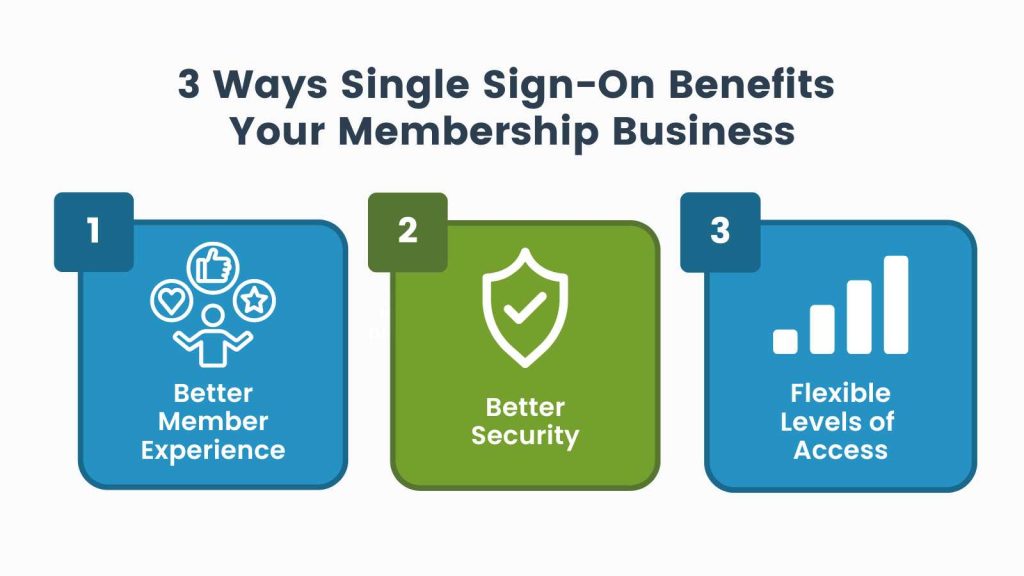
For users of a mentor network, the impact of SSO is immediately noticeable. Instead of navigating multiple login screens, they authenticate once and gain access to all authorized functionalitiesfrom scheduling mentoring sessions and participating in discussion forums to accessing exclusive training materials. This reduction in login steps translates directly into a more fluid and enjoyable user journey, enabling mentors and mentees to focus on their primary objectives rather than administrative hurdles. The psychological benefit of a single, trusted entry point cannot be overstated, contributing to a sense of a cohesive and professional platform.
Surprising Fact: Businesses report an average 30% reduction in helpdesk calls related to password resets after implementing SSO, freeing up IT resources for more strategic initiatives.