Editorial Note: This article is written based on topic research and editorial review.
In an era increasingly defined by personal data and self-monitoring, the intersection of advanced wearable technology and reproductive health has become a focal point for many individuals. The phrase "12 dpo bellabeat your guide to understanding" encapsulates a growing trend: the reliance on digital tools to interpret subtle biological shifts, particularly during critical windows of fertility tracking. This article delves into the nuances of this specific moment in the menstrual cycle, examining how devices like Bellabeat aim to empower users with insights, and the broader implications of this accessible, yet complex, data.
Editor's Note: Published on May 16, 2024. This article explores the facts and social context surrounding "12 dpo bellabeat your guide to understanding".
The Significance of 12 DPO
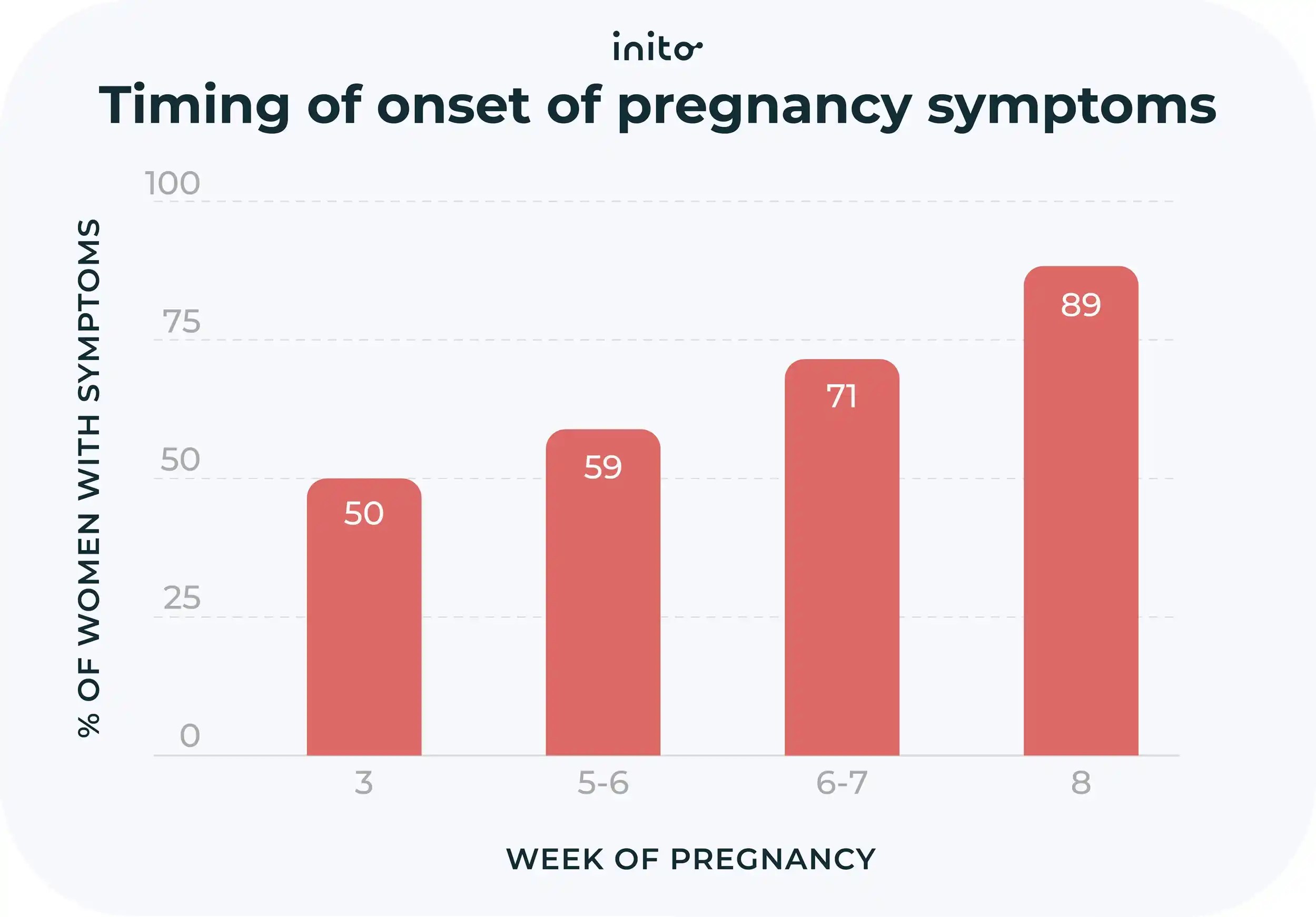
Twelve days post ovulation (12 DPO) represents a crucial period in the menstrual cycle for those monitoring for early pregnancy. By this stage, if conception has occurred, a fertilized egg would typically have implanted in the uterine wall, initiating hormonal changes that can sometimes manifest as early symptoms. While a definitive positive pregnancy test usually requires a slightly later window for optimal accuracy, 12 DPO is often when individuals begin to observe subtle indicators. These can range from mild cramping, light spotting (known as implantation bleeding), breast tenderness, fatigue, or heightened sense of smellsymptoms that often mirror those preceding menstruation, creating a challenging ambiguity for self-diagnosis. Biologically, the body is beginning to produce human chorionic gonadotropin (hCG), the hormone detected by pregnancy tests, though levels may still be very low at 12 DPO.