Editorial Note: This article is written based on topic research and editorial review.
In an increasingly interconnected world, the ability to manage and interact with devices remotely has become not merely a convenience but often a necessity. For enthusiasts, developers, and those utilizing single-board computers for home automation or specialized projects, the challenge of "access raspberry pi behind a router" frequently arises. This common technical hurdle, while seemingly complex, underpins a vast array of remote capabilities, making a clear, simple guide to its resolution a sought-after resource in the digital landscape.
Editor's Note: Published on May 16, 2024. This article explores the facts and social context surrounding "access raspberry pi behind a router a simple guide".
Navigating Network Address Translation
Addressing the NAT barrier involves several established methodologies, each with its own advantages, complexities, and security implications. The choice of method often depends on the user's technical comfort, the specific use case, and the level of security required. Understanding these options is paramount for anyone seeking to establish reliable remote access.
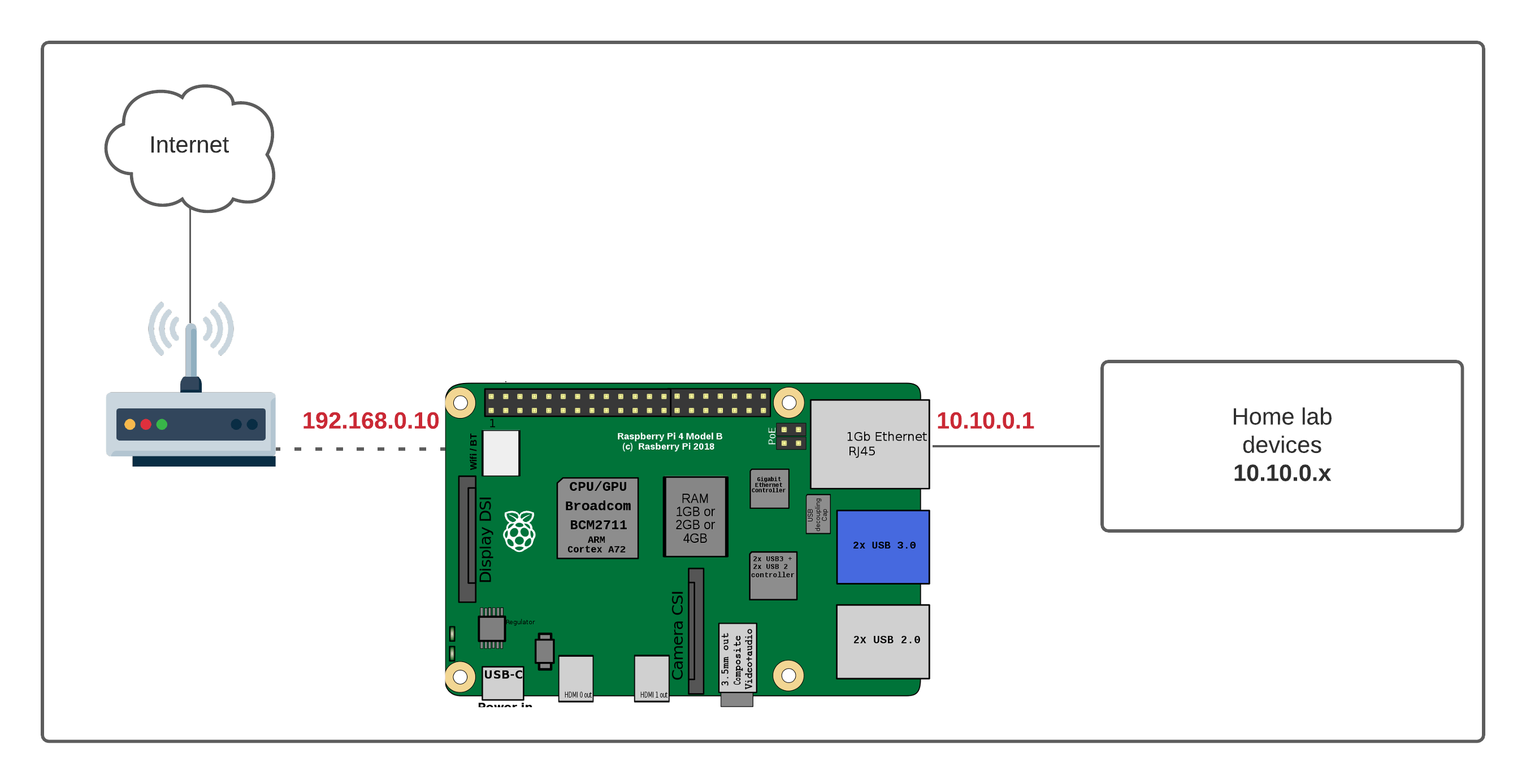
One prevalent technique is port forwarding. This involves configuring the router to direct incoming traffic on a specific external port to a designated internal IP address and port in this case, the Raspberry Pi. For instance, an external connection on public port 22 could be forwarded to the Pi's internal IP address on port 22 (SSH). While straightforward to implement for many home users, it mandates a static internal IP for the Pi or the use of DHCP reservations, and critically, exposes a specific service directly to the internet. This direct exposure necessitates stringent security practices on the Raspberry Pi itself, including strong passwords, SSH key authentication, and regularly updated software.
Another robust solution involves establishing a Virtual Private Network (VPN) server, either directly on the Raspberry Pi or on another dedicated device within the network. When an external client connects to this VPN server, it effectively becomes part of the internal network, allowing seamless access to the Pi and other local devices as if physically present. This method offers a significantly higher level of security, as only the VPN server's port needs to be exposed, and all traffic within the VPN tunnel is encrypted. However, setting up a VPN server can be more involved than simple port forwarding.